Job site preparation is a top priority. We protect things that need protection.
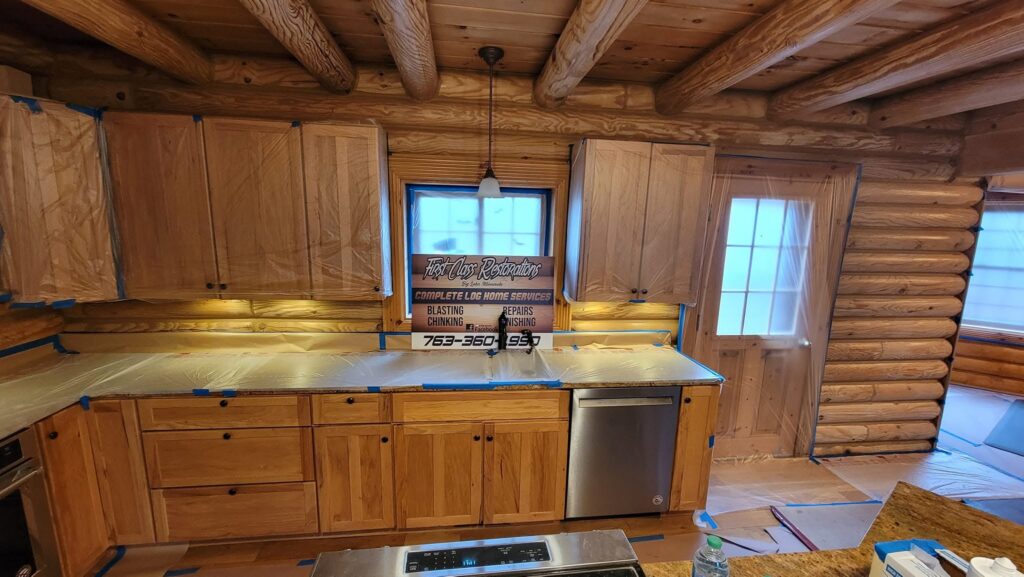
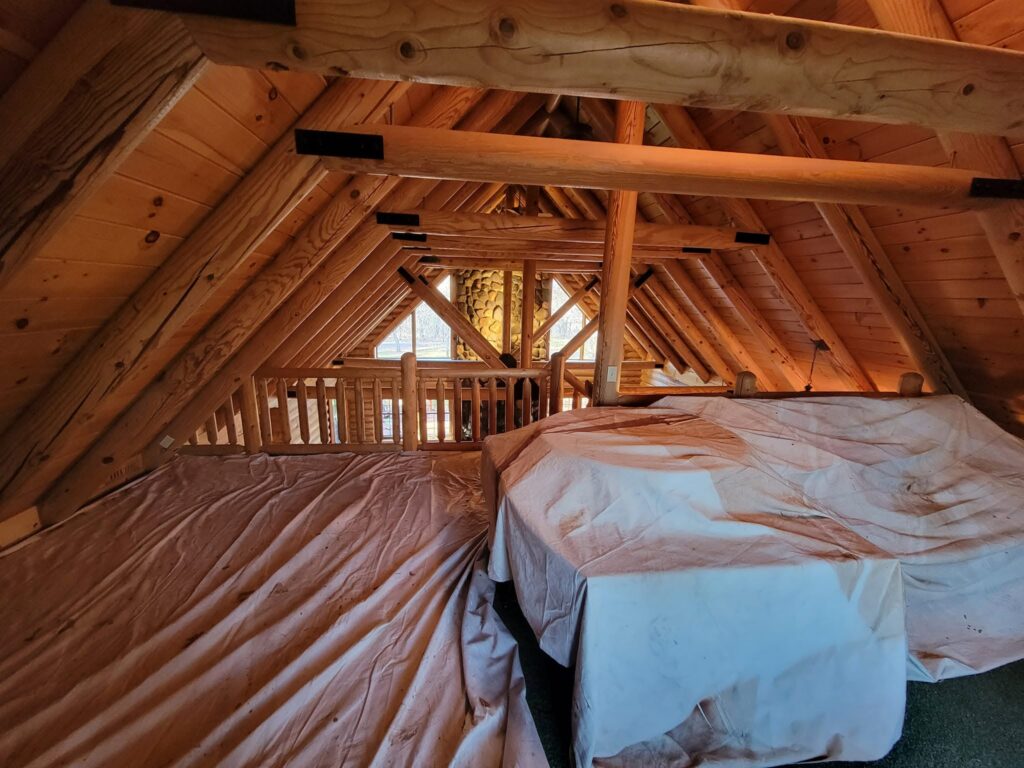
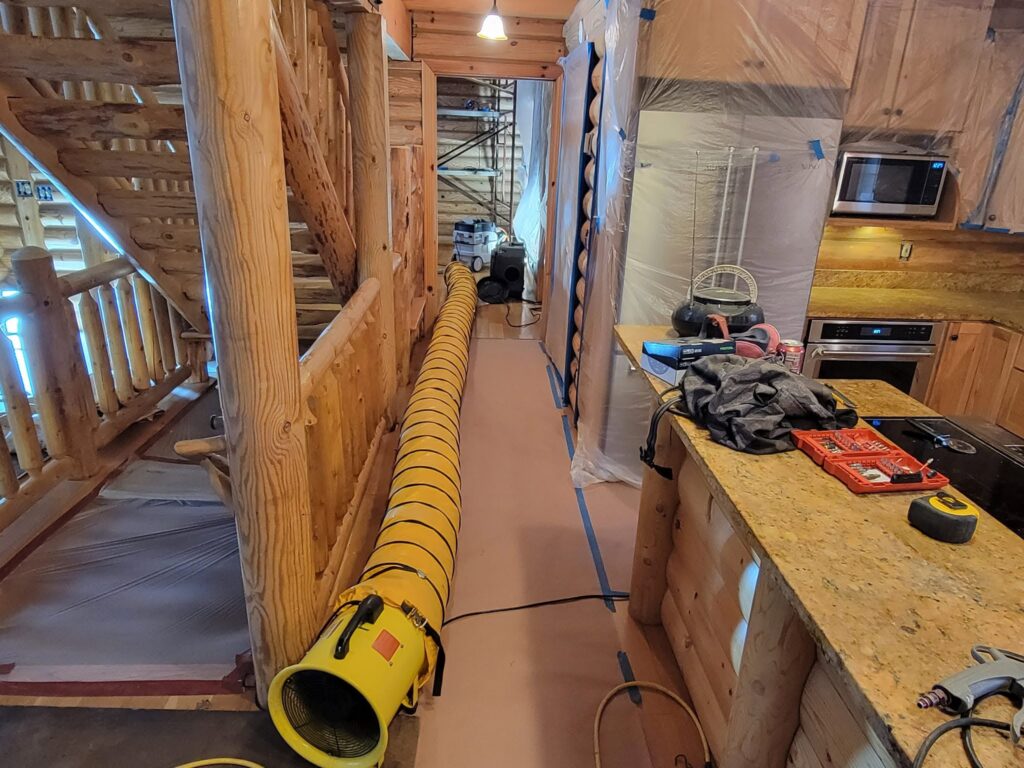
1. Containment & Environmental Protection
- Ground Covering: Lay impermeable tarps or ground covers extending at least 25 feet from the blast area. Overlap seams by at least 1.5 feet. Minnesota Pollution Control
- Ventilation & Sealing: Seal all doors, vents, fans, and windows within 50 feet of the blast zone. Use high-quality wind-resistant tarps (woven polypropylene) to block dust migration and avoid blasting in high winds.
- Neighboring Structures: If facing a neighboring building within 20 feet, hang a vertical curtain between the walls that is at least as tall as the shorter wall. Minnesota Pollution Control
2. Surface Prep (Pre-Cleaning)
- Degrease: Sandblasting embeds oils and greases deeper into the substrate. Remove all oils, grease, and chemicals using solvents or commercial degreasers before you start blasting.
Vapor Honing Technologies
- Debris Removal: Manually scrape or brush off large flakes of loose paint, rust, or debris. Vacuum the area so the surface is entirely clean and dry.
Vapor Honing Technologies
- Protect Adjacent Items: Mask off areas you do not want blasted, such as glass, delicate fixtures, or moving machinery, using heavy-duty ducting tape and plywood or rubber shields.
3. Equipment Staging & Setup
- Air Supply: Position your air compressor upwind to prevent it from ingesting abrasive dust.
- Moisture Control: Install an industrial air dryer and moisture separator before the blast pot to keep media dry and prevent clogs. Sandblast Solutions
- Safety Restraints: Connect all air hoses using safety whip checks and locking pins to prevent violent hose whipping in the event of a coupling failure.